Trusting God in Seasons of Waiting
Trusting God in seasons of waiting is hard when prayers go unanswered. Find hope, comfort, and steady faith in the waiting.

Trusting God in Seasons of Waiting
You prayed, made the best decision you could, and expected some kind of answer. Instead, another week passed. Then another. What happens to faith when the life you hoped for remains out of reach?
How Do You Trust God When the Waiting Does Not End?
Trusting God in a long season of waiting means bringing him your disappointment without walking away. It does not require pretending that delay feels good or that unanswered prayer makes sense. Faith can remain honest, wounded, and uncertain while still choosing to believe that God’s care has not disappeared.
That choice may sound stronger than it feels. Some mornings, trust is little more than saying, “God, I am still here.” It may mean praying without warmth, opening Scripture without finding immediate comfort, or sitting in church while other people sing words you cannot yet say.
Waiting exposes the difference between trusting God and trusting a particular outcome. Most of us do not notice that difference until the outcome is delayed or denied. We may believe we are resting in God when, in truth, we are resting in the expectation that he will soon arrange life the way we hoped.
When that expectation goes unmet, the pain is not proof that your faith has failed. It is evidence that something mattered deeply. A delayed pregnancy, an unanswered job application, a strained marriage, a diagnosis without a clear treatment, or a child who has stopped speaking to you cannot be brushed aside with a cheerful sentence about God’s timing.
Why Does Waiting Hurt So Much?
Waiting hurts because it keeps us between what we have and what we hoped would be. There is no clear ending to mourn and no new beginning to enter. We live in an unfinished sentence, repeatedly wondering whether the next phone call, appointment, email, or conversation will finally bring different news.
This uncertainty can create a particular kind of grief. We often associate grief with death, but people also grieve futures that have not arrived. You may grieve the family you expected to have by now, the healing you prayed for, the work you thought would become meaningful, or the reconciliation that still seems impossible.
Such grief can be difficult to explain because other people may not see a definite loss. They tell you to remain hopeful. They remind you that things could change. They may even suggest that stronger faith would make the waiting easier. But hope does not erase loss, and faith does not make you immune to exhaustion.
Waiting also hurts because it unsettles our understanding of God. If God is loving, why does he not act? If he hears prayer, why is there no visible response? If he knows what we need, why must we keep asking? These are not rebellious questions by default. They are human questions, and Scripture does not hide them.
There are also no simple explanations for why some prayers linger. Sometimes circumstances involve other people’s choices. Sometimes the thing we desire would not give us what we imagine. Sometimes bodies remain sick, relationships remain fractured, and opportunities never return. We should be careful about claiming to know God’s private reasons. A tidy answer can become another burden for someone already hurting.
What Does the Bible Say About Waiting on God’s Timing?
The Bible speaks often about waiting, but rarely presents it as passive or painless. Abraham waited years for the promised son. Hannah wept over infertility while another woman provoked her. Israel waited in exile. Paul prayed repeatedly for his “thorn” to be removed, yet the difficulty remained.
These accounts are not formulas guaranteeing that our stories will end in the same way. Abraham eventually held Isaac, but not every person longing for a child will receive one. Hannah’s prayer was answered, but her experience should never be used to blame someone whose prayer remains unanswered. Biblical stories reveal God’s faithfulness; they do not give us control over his actions.
The Psalms are especially honest about delayed help. Psalm 13:1 begins, “How long, Lord? Will you forget me forever?” That question belongs in the Bible. God did not remove it for sounding ungrateful. The psalmist speaks from the painful gap between what he believes about God and what he is currently experiencing.
That gap is where many of us live. We believe God is present, but we do not feel accompanied. We believe prayer matters, but we cannot point to an answer. We believe God cares, but the evidence around us appears mixed. Biblical faith does not deny this tension. It teaches us to speak from inside it.
Jesus also knew what it meant to ask for another way. In Gethsemane, he prayed that the cup might pass from him. His surrender to the Father was not calm detachment. It came with anguish. Christian trust, then, is not emotional numbness. It is the difficult act of placing ourselves before God even when obedience and suffering meet.
Waiting on God’s timing does not mean assuming every delay was individually designed to teach us a lesson. It means acknowledging that God remains God in a world where much is unfinished. Christian hope rests not in the promise that every present wound will soon close, but in the resurrection of Jesus and the conviction that suffering will not have the final word.
How Can You Move Through a Season of Waiting?
Begin by naming what you are actually waiting for. General prayers can sometimes protect us from the vulnerability of specific desire. Say plainly, “I want this relationship restored,” “I am afraid the treatment will not work,” or “I do not know how much longer I can live with this uncertainty.” God does not require polished language.
It can also help to name what the waiting is costing you. Perhaps you are losing sleep, avoiding friends, becoming resentful, or finding worship difficult. Maybe every pregnancy announcement feels like a fresh injury, or every rejection email makes you question your worth. These responses need care, not shame.
Give your days a shape that does not depend entirely on receiving an answer. Eat something nourishing. Take the prescribed medication. Step outside. Keep the appointment with your counselor. Call the friend who can listen without trying to repair you. Practical care is not a lesser form of spirituality. Bodies and minds need support while souls wait.
Set limits around the habits that intensify fear. Refreshing your inbox every three minutes will not make the decision arrive sooner. Reading alarming News late into the night may leave you less able to face tomorrow. Checking another person’s social media can turn their joy into a measure of your delay. Limits cannot resolve uncertainty, but they can keep uncertainty from occupying every room in your life.
Let prayer become smaller if it needs to. You do not have to produce a long devotional reflection each morning. Try one honest sentence: “God, keep me from becoming hard today.” Or borrow words from Scripture: “How long, Lord?” Repeated prayer is not a failure of imagination. Sometimes repetition is how we remain connected when we have nothing new to say.
Allow trusted people to carry faith with you. A pastor, friend, therapist, or support group may help you distinguish between spiritual waiting and a situation that requires action. Waiting is not always the same as staying. If you are unsafe, being abused, or denied necessary care, seek help. Trusting God never requires remaining silent in danger.
If unanswered prayer is at the center of your struggle, When Prayer Feels Unanswered: Keeping Faith offers further reflection on praying when certainty and quick resolution are unavailable.
How Do You Keep Faith Without Pretending It Does Not Hurt?
You keep faith by refusing the false choice between trust and truth. You can believe God is good and still say that your circumstances feel unbearable. You can worship and weep in the same hour. You can thank God for today while grieving what today did not bring.
There may be times when other people’s confidence irritates you. Their testimonies have neat endings. Their prayers were answered just in time. Their advice makes your pain sound like a problem of perspective. You are allowed to step away from conversations that leave no room for sorrow. Protecting a tender place is not bitterness.
It may help to stop measuring faith by how hopeful you feel. Feelings matter, but they shift with sleep, hormones, pain, financial pressure, and fresh disappointment. Faith can look like keeping one small promise: attending the appointment, receiving communion, asking for prayer, or choosing not to isolate completely.
Trust is not certainty about what will happen next. It is a relationship with God in the absence of that certainty. Sometimes trust feels peaceful. At other times, it feels like protest offered in God’s direction. Even anger can remain relational when it is spoken to God rather than hidden behind religious politeness.
Remember, too, that a changed outcome is not the only evidence of grace. Grace may appear as enough strength for one conversation, a friend who does not rush your grief, or an hour in which fear loosens its grip. These moments do not explain the delay. They do not make the loss acceptable. They simply remind us that pain is not the only presence in the room.
Some seasons of waiting end with the answer we wanted. Others end with a different answer, and some remain unresolved for years. I cannot promise that the next call will bring good news. I can only say that your unanswered prayer is not invisible to God, and your tired faith is still faith. For today, that may be enough to keep turning toward him.
Keep Reading
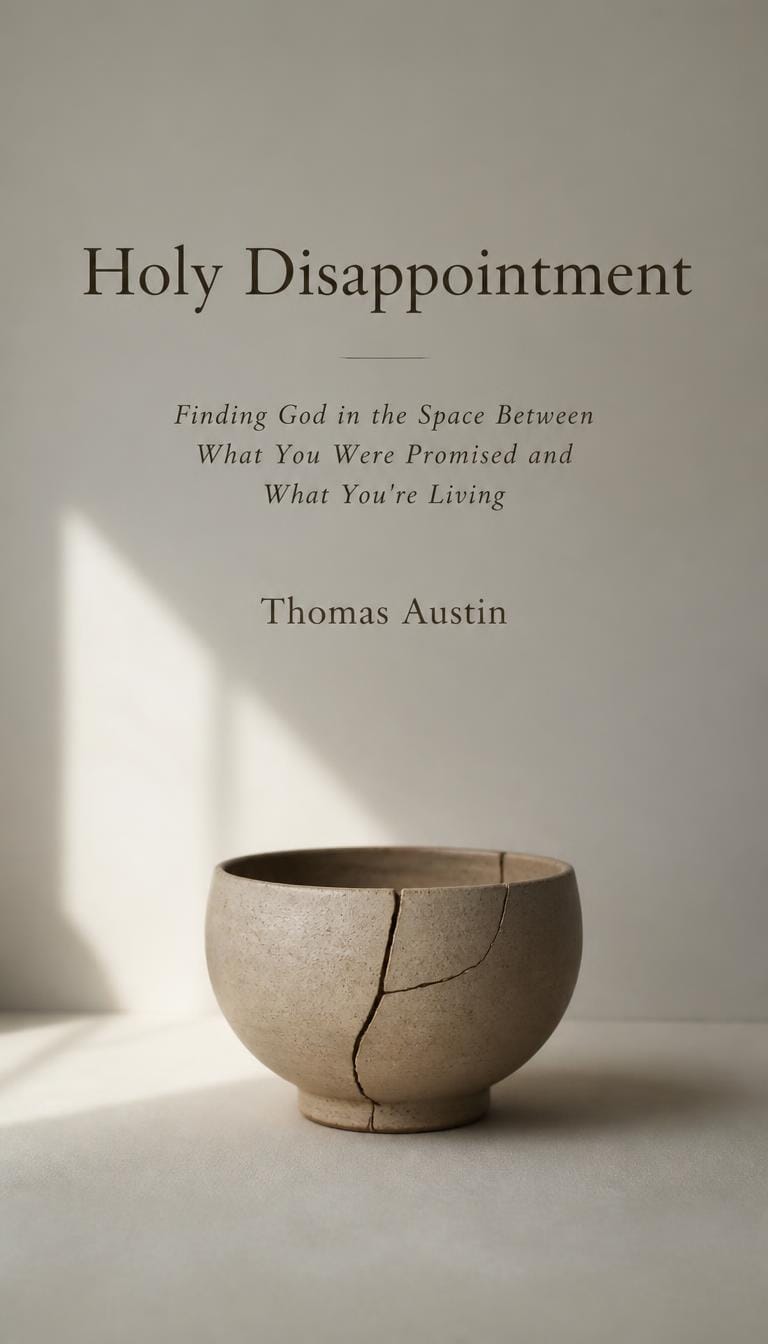
If this resonated, my book Holy Disappointment goes further into finding god in the space between what you were promised and what you're living. A companion for anyone whose faith didn't turn out the way they expected. Holy Disappointment walks through twenty chapters of honest reflection on unmet expectations, unanswered prayers, and finding God in the gap between what you were promised and what you're living. Get Holy Disappointment on Amazon.


Comments ()